



RIVERVIEW CHEVROLET (McKeesport)

Blog / White Oak Chevrolet Service

Blog

All White Oak Chevrolet Service RIVERVIEW CHEVROLET (McKeesport) Service White Oak Chevrolet Dealer Best Chevrolet Models Chevrolet Certified Service Chevrolet service Chevrolet vehicle dealership in McKeesport, PA McKeesport, PA Chevrolet Suburban Chevrolet Tahoe Custom-fit all-weather floor liners genuine Chevrolet accessories tonneau cover White Oak Used Cars Best Chevrolet Models for Daily Commuting Best Chevrolet Vehicles for Road Trips Best Chevy SUVs Chevy Oil RIVERVIEW CHEVROLET in McKeesport, PA
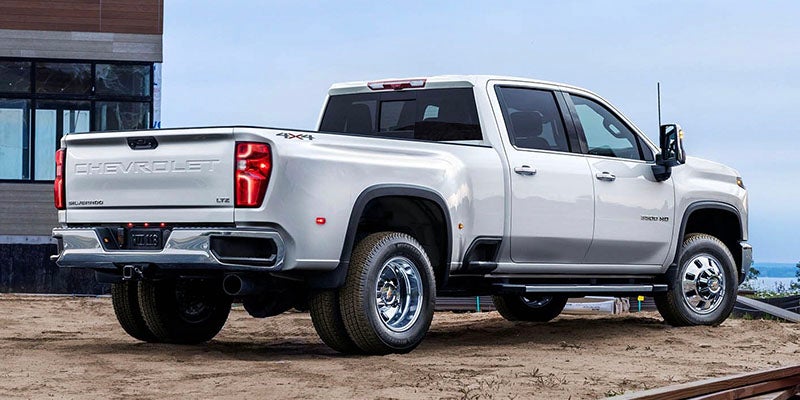
Chevy Silverado 2500 Work Truck

Chevy Work Truck Maintenance: Building a Service Schedule Around Mileage, Engine Hours, and Daily Use

A Chevrolet truck that spends the day making deliveries may need a different maintenance plan from one that mainly travels highway miles. A service van can also accumulate considerable engine running time while adding relatively little mileage. Effective Chevy work truck maintenance starts with the schedule for the specific vehicle, then accounts for how your business uses it. For businesses seeking Chevrolet fleet service in McKeesport, PA, Riverview Chevrolet offers commercial and fleet service to help address maintenance and repair needs. Start With Each Vehicle’s Maintenance Schedule Build a separate maintenance record for every truck or van. Use its model year, engine, transmission, and drivetrain to identify the applicable owner’s manual and maintenance requirements. Review both normal and severe-service guidance. Certain operating conditions can change required intervals for particular services, but that does not mean every maintenance item needs to be performed sooner. Calendar time matters, too. A vehicle driven infrequently may still reach a time-based service requirement before reaching the mileage threshold. Follow the applicable mileage, time, oil-life, or engine-hour instructions rather than applying one interval across your fleet. Why Engine Hours Matter Alongside Mileage The odometer measures distance traveled. Engine hours track running time, including time spent stationary. Where the vehicle provides total or idle-hour information, record those readings alongside mileage. Extended idling can matter for trucks running equipment or spending long periods stopped with the engine operating. Some Chevrolet manuals provide specific guidance for accounting for extended idle time. Ask the service advisor to apply the instructions for your vehicle rather than using a universal hours-to-miles conversion. For vehicles equipped with an engine oil-life monitor, respond to its reminder and follow the manual’s additional limits. The oil-life display does not replace checking the oil level or tracking other scheduled maintenance. Describe the Work Your Chevrolet Does A useful service conversation includes more than “this is a work truck.” Explain the conditions it encounters regularly: Delivery routes with repeated stops and short trips. Extended idling during service calls or equipment operation. Frequent towing, including typical trailer weight. Heavy tools, materials, or other regularly carried loads. Dusty jobsites, rough access roads, or winter road-salt exposure. Those details help the advisor determine which maintenance provisions apply. Frequent towing may affect the applicable transmission service schedule, while dusty operation can make air-filter inspections particularly important. Maintenance also does not increase a vehicle’s load limits. Keep payload, towing, axle, and tire limits in mind when assigning vehicles to jobs. Make Inspections Part of the Plan Scheduled replacements and condition-based repairs serve different purposes. An inspection helps identify wear or damage without assuming every component needs replacement at a particular mileage. Inspection priorities for working trucks and vans include: Tire pressure, tread condition, uneven wear, and visible damage. Brake condition and any changes in stopping feel. Fluid levels, leaks, belts, hoses, and cooling-system condition. Battery connections and starting or charging concerns. Steering and suspension components. Lights, wipers, and visibility equipment. Hitch hardware, trailer wiring, and connections when used. Drivers should report new vibrations, noises, warning messages, leaks, or delayed starting as they occur. A scheduled appointment should not become a reason to postpone a concern that affects safe operation. Keep Records That Help Prevent Duplicate Work Use a shared spreadsheet or fleet system to record the VIN, vehicle identifier, mileage, available engine-hour readings, service dates, and completed work. Keep invoices and note the next due mileage or date for each applicable item. Include driver observations and changes in vehicle assignments. A truck moving from highway travel to daily towing may need its maintenance plan reviewed. Before approving work, ask whether the recommendation comes from the manufacturer’s schedule, an inspection finding, or a diagnosed problem. Previous records help the advisor account for services already completed. Plan Appointments Around Business Needs Riverview Chevrolet’s commercial and fleet service department accepts most major fleet cards and directs fleet customers to call for an appointment. Confirm acceptance of your specific card and any authorization requirements before the visit. When scheduling, provide the VIN, vehicle configuration, maintenance history, symptoms, and daily operating conditions. Mention installed equipment or an upfit so the team can confirm whether the requested work can be accommodated. Discuss appointment availability, drop-off arrangements, parts needs, and the expected inspection process before planning your routes. Ask about transportation or other support you may need, and confirm what is available for that appointment. Staggering planned maintenance can help avoid taking several essential vehicles out of rotation together. For routine maintenance, you can also request a service appointment. Call Riverview Chevrolet’s McKeesport service department at 888-723-9243 to discuss fleet scheduling and your business’s specific needs.
Chevy Oil Leak Symptoms

Chevy Oil Leak Symptoms: Valve Cover Gasket, Oil Pan, or Rear Main Seal?

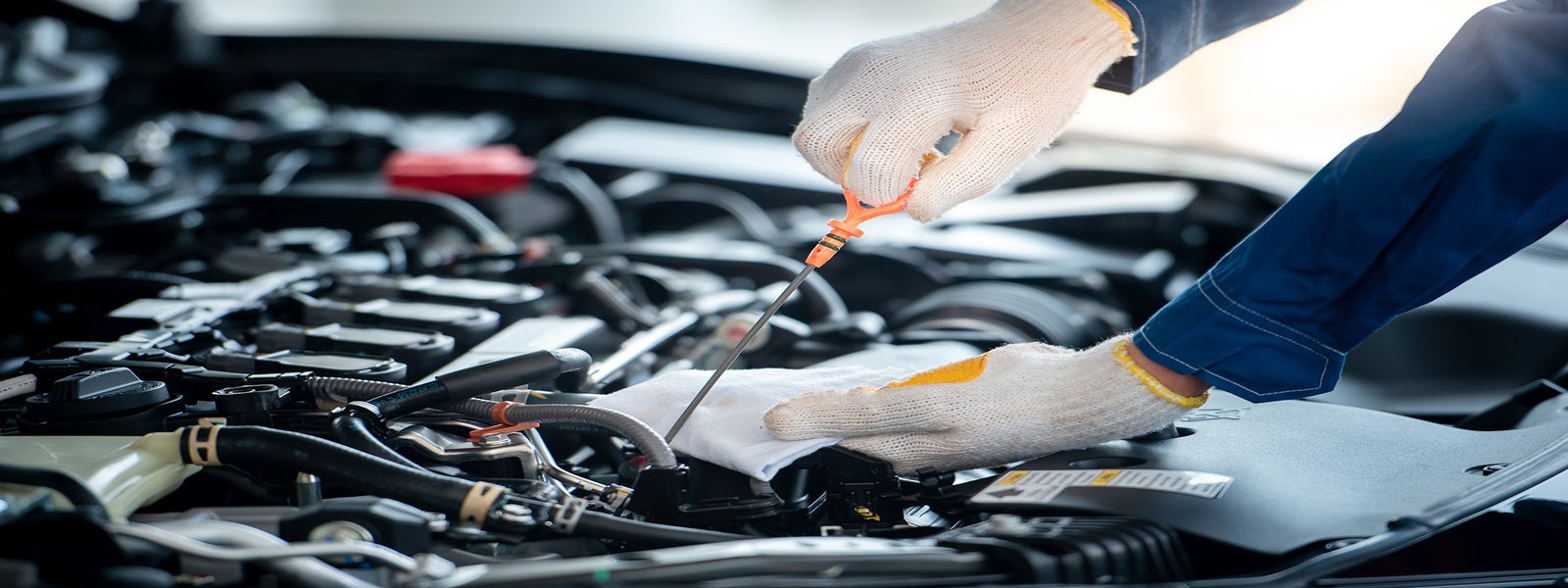
An oil spot on the driveway isn't something most people celebrate. It's your Chevrolet letting you know that something needs attention, and the sooner you figure out what's happening, the better your chances of avoiding a much larger repair. The good news is that not every oil leak points to a major engine problem. Some are relatively straightforward to repair, while others take more time and labor. Knowing where the leak is coming from can help you understand what your technician may find during an inspection. Recognizing the Signs of an Oil Leak The first clue is usually right beneath the vehicle. Fresh oil spots or dark stains after the truck or SUV has been parked are often the earliest indication that oil is escaping somewhere. You may also notice a burning oil smell if leaking oil reaches hot engine or exhaust components. An oil level that drops between scheduled oil changes is another common warning sign, even if you don't immediately see oil on the ground. If your low oil pressure warning light comes on, don't assume it's something minor. Pull over when it's safe, switch the engine off, and check the oil level before continuing to drive. Valve Cover Gasket Leaks Valve cover gaskets seal the top of the engine, keeping oil inside as it lubricates critical components. As the gasket ages, heat causes the material to become brittle. Small cracks or shrinking can allow oil to seep from the edge of the valve cover, where it often runs down the outside of the engine. Many drivers notice the smell of burning oil before they ever see a puddle on the ground because the oil lands on hot engine parts. During routine maintenance, technicians can often spot these leaks before they become more severe, making this one of the more common and manageable oil leak repairs. Oil Pan Leaks The oil pan sits beneath the engine and stores the oil before it circulates through the lubrication system. Its gasket can wear over time, and the pan itself is exposed to rocks, road debris, and unexpected impacts. A damaged gasket typically leaves oil beneath the center of the vehicle, while a cracked oil pan may produce a larger leak in a much shorter period. Drivers who travel rough roads or encounter construction zones regularly are more likely to experience oil pan damage than someone whose vehicle spends most of its time on smooth pavement. Rear Main Seal Leaks The rear main seal sits between the back of the engine and the transmission, sealing the crankshaft as it exits the engine block. Leaks here often develop gradually. Oil may collect around the transmission bellhousing before eventually dripping onto the ground. Because reaching the seal requires removing the transmission, this repair is considerably more involved than replacing a valve cover gasket or oil pan gasket. Addressing the leak early can help reduce the chance of additional engine problems caused by low oil levels. Don't Wait Too Long Even a slow leak deserves attention. Allowing the oil level to continue dropping increases engine wear and can eventually lead to expensive internal damage. An inspection gives technicians the opportunity to identify the source, confirm the repair needed, and make sure there aren't multiple leaks developing at the same time. If you're searching for Chevrolet oil leak repair in McKeesport, or it's time to schedule Chevrolet service, having the vehicle inspected early is almost always the least expensive approach. Visit Our Chevrolet Service Center in McKeesport, PA Oil leaks rarely improve on their own, but they're often far easier to repair when caught early. If you've noticed oil spots under your Chevrolet, a burning oil smell, or your oil level dropping between services, now is the right time to have it inspected. Visit our Riverview Chevrolet McKeesport today or schedule your service appointment online now. Our factory-trained technicians can locate the source of the leak, explain the repair, and help keep your Chevrolet running the way it was built to.

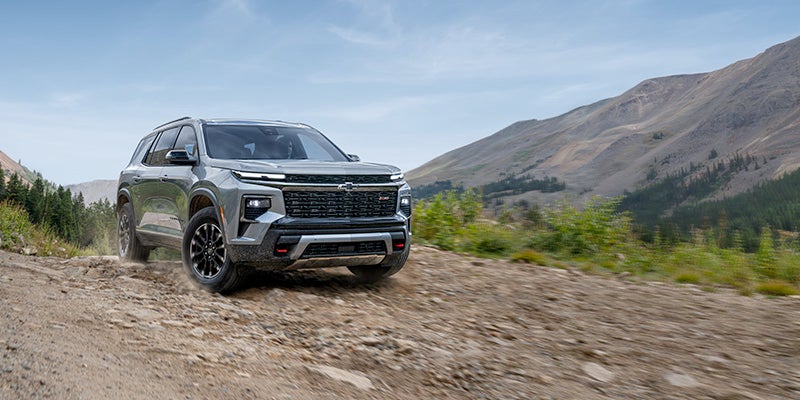
2026 Chevy Traverse

Chevy Traverse vs Tahoe: Choosing the Right Three-Row SUV for Your Family

If your family is outgrowing your current vehicle and you're looking for a new SUV, you've very likely been considering the Chevy Traverse vs Tahoe. You can't go wrong with either one. Both are capable, well-equipped three-row SUVs, but they're designed with different drivers in mind. Understanding what sets them apart can help you make the right decision for your family before you ever step onto the lot. Size and Space: How the Traverse and Tahoe Stack Up The Traverse is a crossover SUV built on a car-based platform, which makes it more maneuverable and easier to park in tight spaces. The 2026 Traverse seats up to 8, depending on the seating configuration, as some models come with second row captain's chairs, making it a 7-passenger vehicle. It offers a Best-in-Class 98 cu-ft of cargo space with the rear two rows folded down and has plenty of room for everyday family life - groceries, sports gear, weekend trips, and more. The Tahoe is a full-size, body-on-frame SUV that delivers noticeably more interior volume and can seat up to 9 passengers, up to 112.7 cu ft with the two rear rows folded down. If you regularly haul a large group of passengers and need more cargo room behind the third row, the Tahoe's size works in your favor. Towing and Capability Towing capacity is where the Tahoe pulls ahead, by a large margin. The Tahoe, has a max towing capacity of 8,400 lbs and is designed for drivers who tow boats, trailers, or other equipment on a regular basis, and its body-on-frame construction makes it better suited for those demands. The Traverse, with a max towing capacity of 5,000 lbs, handles lighter towing tasks just fine, but it's not built for heavy hauling. If your weekends involve a camper or a ski boat, the Tahoe is likely the smarter choice. If towing isn't a priority, the Traverse handles daily duties with ease. It really comes down to how you use your vehicle. Ride, Comfort, and Daily Drivability The Traverse's crossover platform gives it a smoother, more car-like ride that many drivers prefer for highway commutes and city driving. It's easier to maneuver and typically more efficient at the pump compared to the Tahoe. The Tahoe offers a more commanding presence on the road and a ride quality that has improved significantly in recent generations. It feels substantial and solid, which some drivers prefer - particularly those who want a vehicle that also serves as a tow vehicle or handles rougher conditions. Which Chevy Fits Your Family Best The best way to think about the Chevy Traverse vs Tahoe decision is to start with your real-world needs. If you want a versatile, right-sized three-row SUV for family road trips, school runs, and weekend errands, the Traverse delivers a lot of value. If you need maximum space, serious towing capability, and a full-size presence, the Tahoe is built for that life. Visit Riverview Chevrolet to Find Your Perfect Chevy SUV Still weighing the Chevy Traverse vs Tahoe? The best next step is to sit in both and see which one feels right for your family. Come in and see us at Riverview Chevrolet. We are looking forward to helping you explore the current lineup so you can find the right three-row Chevy for the road ahead.

Chevy Multi-Point Inspection

What Should You Check Before a Summer Road Trip in Your Chevy?

Summer is here, and that means road trips, long drives, and plenty of miles ahead. Before you load up the cooler and hit the highway, you really should make sure your Chevy is ready for the journey. A Chevrolet multi-point inspection is one of the smartest things you can do before heading out - and it could save you from a breakdown when you're miles from home. Why a Pre-Trip Inspection is Important for Your Chevy A Chevrolet multi-point inspection gives a trained technician the chance to look at all the critical systems on your vehicle before you put serious miles on it. Think of it as a head-to-toe checkup that covers everything from your tires and brakes to your fluids and battery. Catching a small issue now is far less stressful - and less expensive - than dealing with it on the side of a highway during the hottest day of summer. A thorough road trip vehicle inspection also gives you security. Knowing your Chevy has been checked over by a certified technician means you can focus on enjoying the drive rather than worrying about what might go wrong. Tires and Brakes: Start Here Your tires and brakes are two of the most important safety components on any vehicle. Before a long drive, check your tire pressure and look for uneven wear, cracks, or any visible damage. Low tread depth can be especially risky on summer roads where heat can affect pavement conditions. If you've noticed any squealing, grinding, or a softer-than-usual pedal feel, those are signs that your brakes need attention before you go anywhere. During a Chevrolet multi-point inspection, a technician will measure brake pad thickness and check the rotors, so you're brakes are in top shape. Fluids, Battery, and Cooling System The summer heat puts extra strain on your engine and cooling system. Make sure your coolant level is topped off and that the system is functioning properly - overheating is a common cause of summer breakdowns. Engine oil, brake fluid, power steering fluid, and windshield washer fluid should all be checked and topped off as needed. You should also take a look at your battery. Extreme heat can shorten battery life, so if yours is a few years old, having it tested is a smart move. A dead battery in a hot parking lot is nobody's idea of a good time. Air Conditioning and Wiper Blades There's nothing worse than discovering your A/C isn't working properly when you're an hour into a summer drive. Have the system checked to make sure it's blowing cold and operating efficiently. If it's been a while since the cabin air filter was replaced, now is a good time to do that too. Wiper blades are easy to overlook but essential during summer storms. If your blades are streaking or skipping, swap them out before you leave. Schedule Your Inspection Before You Go A complete road trip vehicle inspection at a Chevy Certified Service center covers all these areas and more, giving you a thorough look at your vehicle's overall condition. The goal is simple: to make sure your Chevy is ready for whatever the road brings. The best way to take care of your Chevy ore-road trip inspection this summer is to trust your Chevy to the service experts at Riverview Chevrolet McKeesport. Stop in before your next big trip and let us give your Chevy the attention it deserves.

Contact Us

Fill out this form below and we'll contact you shortly
*Required Fields