





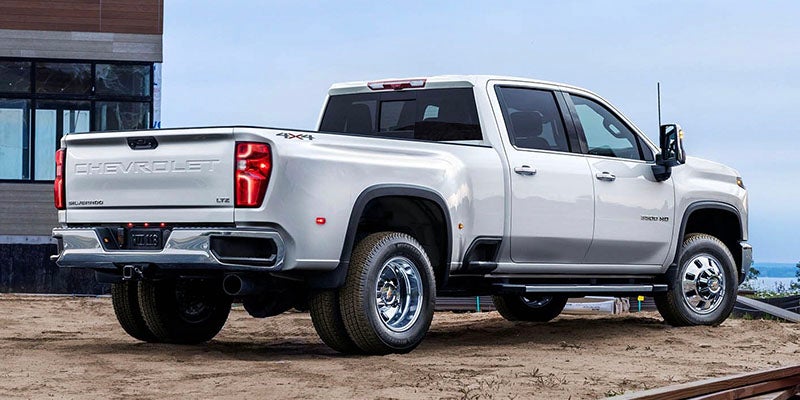
A Chevrolet truck that spends the day making deliveries may need a different maintenance plan from one that mainly travels highway miles. A service van can also accumulate considerable engine running time while adding relatively little mileage.
Effective Chevy work truck maintenance starts with the schedule for the specific vehicle, then accounts for how your business uses it. For businesses seeking Chevrolet fleet service in McKeesport, PA, Riverview Chevrolet offers commercial and fleet service to help address maintenance and repair needs.
Start With Each Vehicle’s Maintenance Schedule
Build a separate maintenance record for every truck or van. Use its model year, engine, transmission, and drivetrain to identify the applicable owner’s manual and maintenance requirements.
Review both normal and severe-service guidance. Certain operating conditions can change required intervals for particular services, but that does not mean every maintenance item needs to be performed sooner.
Calendar time matters, too. A vehicle driven infrequently may still reach a time-based service requirement before reaching the mileage threshold. Follow the applicable mileage, time, oil-life, or engine-hour instructions rather than applying one interval across your fleet.
Why Engine Hours Matter Alongside Mileage
The odometer measures distance traveled. Engine hours track running time, including time spent stationary. Where the vehicle provides total or idle-hour information, record those readings alongside mileage.
Extended idling can matter for trucks running equipment or spending long periods stopped with the engine operating. Some Chevrolet manuals provide specific guidance for accounting for extended idle time. Ask the service advisor to apply the instructions for your vehicle rather than using a universal hours-to-miles conversion.
For vehicles equipped with an engine oil-life monitor, respond to its reminder and follow the manual’s additional limits. The oil-life display does not replace checking the oil level or tracking other scheduled maintenance.
Describe the Work Your Chevrolet Does
A useful service conversation includes more than “this is a work truck.” Explain the conditions it encounters regularly:
- Delivery routes with repeated stops and short trips.
- Extended idling during service calls or equipment operation.
- Frequent towing, including typical trailer weight.
- Heavy tools, materials, or other regularly carried loads.
- Dusty jobsites, rough access roads, or winter road-salt exposure.
Those details help the advisor determine which maintenance provisions apply. Frequent towing may affect the applicable transmission service schedule, while dusty operation can make air-filter inspections particularly important.
Maintenance also does not increase a vehicle’s load limits. Keep payload, towing, axle, and tire limits in mind when assigning vehicles to jobs.
Make Inspections Part of the Plan
Scheduled replacements and condition-based repairs serve different purposes. An inspection helps identify wear or damage without assuming every component needs replacement at a particular mileage.
Inspection priorities for working trucks and vans include:
- Tire pressure, tread condition, uneven wear, and visible damage.
- Brake condition and any changes in stopping feel.
- Fluid levels, leaks, belts, hoses, and cooling-system condition.
- Battery connections and starting or charging concerns.
- Steering and suspension components.
- Lights, wipers, and visibility equipment.
- Hitch hardware, trailer wiring, and connections when used.
Drivers should report new vibrations, noises, warning messages, leaks, or delayed starting as they occur. A scheduled appointment should not become a reason to postpone a concern that affects safe operation.
Keep Records That Help Prevent Duplicate Work
Use a shared spreadsheet or fleet system to record the VIN, vehicle identifier, mileage, available engine-hour readings, service dates, and completed work. Keep invoices and note the next due mileage or date for each applicable item.
Include driver observations and changes in vehicle assignments. A truck moving from highway travel to daily towing may need its maintenance plan reviewed.
Before approving work, ask whether the recommendation comes from the manufacturer’s schedule, an inspection finding, or a diagnosed problem. Previous records help the advisor account for services already completed.
Plan Appointments Around Business Needs
Riverview Chevrolet’s commercial and fleet service department accepts most major fleet cards and directs fleet customers to call for an appointment. Confirm acceptance of your specific card and any authorization requirements before the visit.
When scheduling, provide the VIN, vehicle configuration, maintenance history, symptoms, and daily operating conditions. Mention installed equipment or an upfit so the team can confirm whether the requested work can be accommodated.
Discuss appointment availability, drop-off arrangements, parts needs, and the expected inspection process before planning your routes. Ask about transportation or other support you may need, and confirm what is available for that appointment.
Staggering planned maintenance can help avoid taking several essential vehicles out of rotation together. For routine maintenance, you can also request a service appointment. Call Riverview Chevrolet’s McKeesport service department at 888-723-9243 to discuss fleet scheduling and your business’s specific needs.