




RIVERVIEW CHEVROLET (McKeesport)

Blog / McKeesport, PA

Blog

All McKeesport, PA RIVERVIEW CHEVROLET (McKeesport) Service White Oak Chevrolet Dealer Chevrolet Certified Service White Oak Chevrolet Service Chevrolet service Chevrolet Suburban Chevrolet Tahoe Custom-fit all-weather floor liners genuine Chevrolet accessories tonneau cover White Oak Used Cars Chevy Oil
Chevy Oil Leak Symptoms

Chevy Oil Leak Symptoms: Valve Cover Gasket, Oil Pan, or Rear Main Seal?

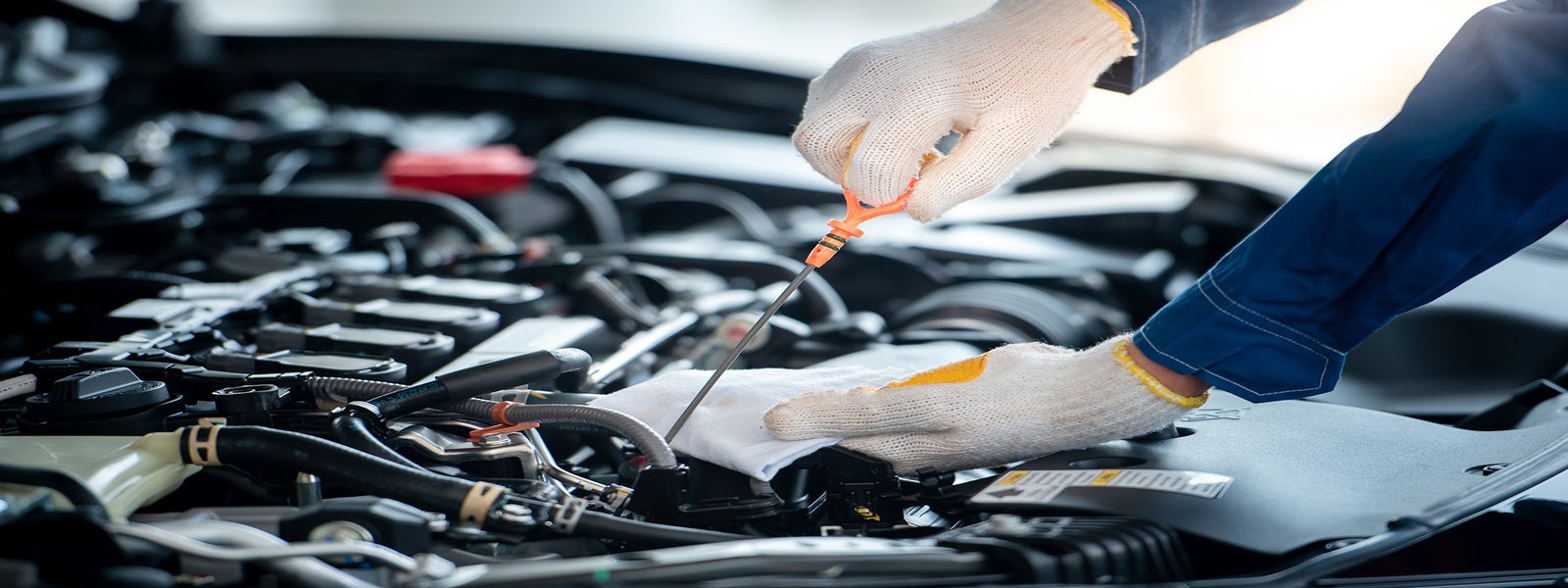
An oil spot on the driveway isn't something most people celebrate. It's your Chevrolet letting you know that something needs attention, and the sooner you figure out what's happening, the better your chances of avoiding a much larger repair. The good news is that not every oil leak points to a major engine problem. Some are relatively straightforward to repair, while others take more time and labor. Knowing where the leak is coming from can help you understand what your technician may find during an inspection. Recognizing the Signs of an Oil Leak The first clue is usually right beneath the vehicle. Fresh oil spots or dark stains after the truck or SUV has been parked are often the earliest indication that oil is escaping somewhere. You may also notice a burning oil smell if leaking oil reaches hot engine or exhaust components. An oil level that drops between scheduled oil changes is another common warning sign, even if you don't immediately see oil on the ground. If your low oil pressure warning light comes on, don't assume it's something minor. Pull over when it's safe, switch the engine off, and check the oil level before continuing to drive. Valve Cover Gasket Leaks Valve cover gaskets seal the top of the engine, keeping oil inside as it lubricates critical components. As the gasket ages, heat causes the material to become brittle. Small cracks or shrinking can allow oil to seep from the edge of the valve cover, where it often runs down the outside of the engine. Many drivers notice the smell of burning oil before they ever see a puddle on the ground because the oil lands on hot engine parts. During routine maintenance, technicians can often spot these leaks before they become more severe, making this one of the more common and manageable oil leak repairs. Oil Pan Leaks The oil pan sits beneath the engine and stores the oil before it circulates through the lubrication system. Its gasket can wear over time, and the pan itself is exposed to rocks, road debris, and unexpected impacts. A damaged gasket typically leaves oil beneath the center of the vehicle, while a cracked oil pan may produce a larger leak in a much shorter period. Drivers who travel rough roads or encounter construction zones regularly are more likely to experience oil pan damage than someone whose vehicle spends most of its time on smooth pavement. Rear Main Seal Leaks The rear main seal sits between the back of the engine and the transmission, sealing the crankshaft as it exits the engine block. Leaks here often develop gradually. Oil may collect around the transmission bellhousing before eventually dripping onto the ground. Because reaching the seal requires removing the transmission, this repair is considerably more involved than replacing a valve cover gasket or oil pan gasket. Addressing the leak early can help reduce the chance of additional engine problems caused by low oil levels. Don't Wait Too Long Even a slow leak deserves attention. Allowing the oil level to continue dropping increases engine wear and can eventually lead to expensive internal damage. An inspection gives technicians the opportunity to identify the source, confirm the repair needed, and make sure there aren't multiple leaks developing at the same time. If you're searching for Chevrolet oil leak repair in McKeesport, or it's time to schedule Chevrolet service, having the vehicle inspected early is almost always the least expensive approach. Visit Our Chevrolet Service Center in McKeesport, PA Oil leaks rarely improve on their own, but they're often far easier to repair when caught early. If you've noticed oil spots under your Chevrolet, a burning oil smell, or your oil level dropping between services, now is the right time to have it inspected. Visit our Riverview Chevrolet McKeesport today or schedule your service appointment online now. Our factory-trained technicians can locate the source of the leak, explain the repair, and help keep your Chevrolet running the way it was built to.
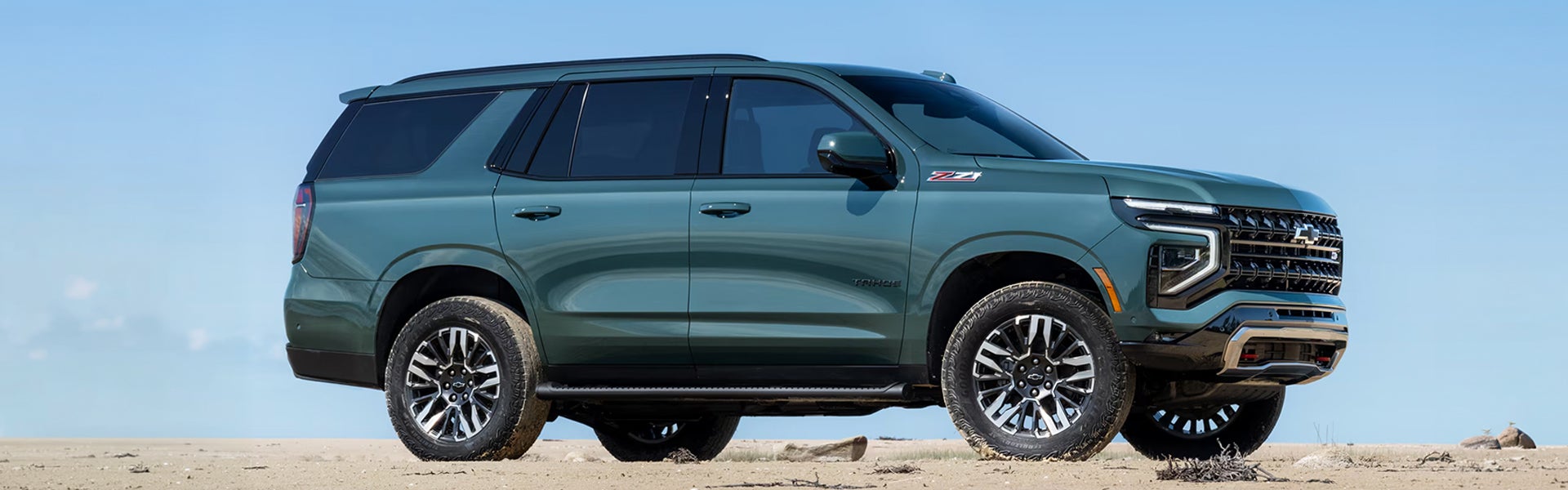
Dark green Chevrolet Tahoe parked on open sand.

Chevrolet Tahoe vs. Suburban: The Difference Is What You Carry

The 2026 Chevrolet Tahoe and 2026 Suburban share the same 3 engines, offer seating configurations for up to 9 passengers, and provide similar technology and drivetrain choices. Tahoe can tow slightly more, reaching 8,400 lbs. when properly equipped compared with 8,200 lbs. for Suburban. But the figure that really separates these SUVs is cargo capacity. Tahoe offers up to 122.7 cu. ft., while Suburban stretches that to 144.5 cu. ft. For families around McKeesport, the decision comes down to how often those 3 rows are occupied. The Extra Length Goes Where It's Most Useful Tahoe measures 211.3 inches long on a 120.9-inch wheelbase. Suburban extends to 226.3 inches with a 134.1-inch wheelbase, making it 15 inches longer overall. Both can accommodate up to 9 passengers depending on trim and seating configuration, and both provide 36.7 inches of third-row legroom. That's an important detail because the Suburban's greater exterior length doesn't simply create a vastly larger third row. The passenger accommodations remain similar. Most of the dimensional advantage appears behind those passengers, which is exactly where families using all 3 rows are likely to appreciate it. Suburban Makes a Stronger Case with All Three Rows Up With the third row occupied, Tahoe provides 25.5 cu. ft. of cargo space. Fold it and capacity increases to 72.5 cu. ft., while folding both rear rows opens 122.7 cu. ft. Suburban provides 41.5 cu. ft. behind its third row, 93.8 cu. ft. behind the second, and 144.5 cu. ft. at maximum capacity. The most telling difference is the 16 additional cu. ft. available behind an occupied third row. Maximum cargo figures are useful, but families rarely leave everyone at home just to carry more suitcases. If 6, 7, 8, or 9 passengers and their belongings regularly need to travel together, Suburban's extra length begins earning its parking space. The Engine Choice Doesn't Decide Between Them Both SUVs offer the same powertrain lineup. The 5.3L V8 produces 355 hp and 383 lbs. ft. of torque, while the available 6.2L V8 delivers 420 hp and 460 lbs. ft. of torque. The available 3.0L Duramax® Turbo-Diesel produces 305 hp and 495 lbs. ft. of torque. Properly equipped Tahoe models can tow up to 8,400 lbs., while Suburban reaches 8,200 lbs. Available 4WD gives both SUVs additional drivetrain capability for Pennsylvania winters, unpaved surfaces, and poor road conditions. Since neither vehicle holds a meaningful engine advantage, buyers can concentrate on towing requirements and dimensions rather than choosing an SUV simply to gain access to a particular powertrain. Tahoe Asks for Less Space Everywhere You Take It Fifteen inches doesn't sound enormous until you're fitting a full-size SUV into a garage or looking for the end of a parking space. Tahoe's shorter body and 13.2-inch-shorter wheelbase make it the more manageable of the pair in tighter surroundings. That can be useful around Pittsburgh-area streets, crowded parking lots, and older garages that weren't designed with a 226.3-inch SUV in mind. Suburban inevitably asks for more room, but the compromise buys substantially greater cargo capacity. If the third row is only used occasionally, Tahoe's dimensions may prove easier to live with. If every seat gets regular use, Suburban makes a much stronger argument. Don't Pay the Size Penalty Unless You Need Space Tahoe offers up to 9-passenger seating, 122.7 cu. ft. of maximum cargo capacity, and the slightly higher 8,400 lb. maximum towing figure in a shorter package. Suburban keeps the same passenger capacity and engine choices while expanding maximum cargo room to 144.5 cu. ft. More importantly, it provides 41.5 cu. ft. behind the third row. It's the one that handles your normal combination of passengers, luggage, trailers, and parking without carrying around 15 additional inches that rarely get used. Put the Two Sizes Side by Side in McKeesport Specifications explain the difference, but these are dimensions worth seeing in person. McKeesport-area shoppers can visit Riverview Chevrolet to compare available new Tahoe and Suburban inventory, seating configurations, powertrains, cargo areas, and 4WD options. Bring the family if they're usually part of the load, see how much room remains behind the third row, and schedule a test drive online now

Contact Us

Fill out this form below and we'll contact you shortly
*Required Fields